 Reviews

 Proudly American
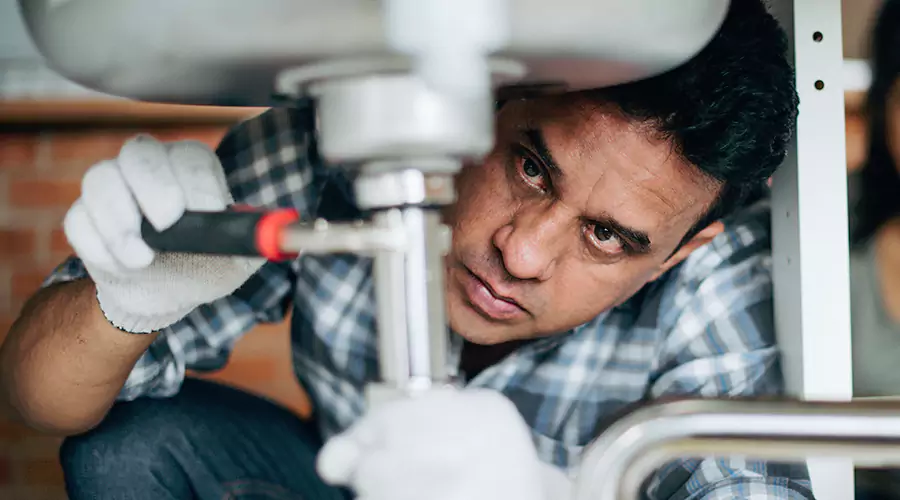
Older homes often have plumbing systems that have been in service for decades. While these systems may still function, aging pipes can corrode, leak, or become clogged over time, putting your home at risk of water damage, reduced efficiency, and even health hazards. Regular pipe inspections are essential to maintaining safety, preserving water quality, and avoiding costly repairs.
This guide explains why homeowners of older properties should prioritize pipe inspections and how professional plumbing services can protect and prolong the life of their plumbing system.
The Challenges of Plumbing in Older Homes
Older homes may have plumbing systems made from outdated materials or installed using older techniques. These factors increase the likelihood of issues such as:
- Corrosion: Galvanized steel or older copper pipes can rust, weaken, and eventually develop leaks.
- Mineral Buildup: Hard water deposits accumulate inside pipes, reducing their diameter and restricting water flow.
- Leaks: Aging pipes, worn joints, and deteriorating connections are prone to slow or sudden leaks.
- Clogs: Accumulated debris and sediment increase the risk of repeated blockages.
- Outdated Materials: Older homes may still have pipes made from materials no longer considered safe, including lead or polybutylene.
These challenges highlight the importance of regular inspections to identify problems early, minimize damage, and maintain a reliable water supply.
Benefits of Regular Pipe Inspections
Early Detection of Leaks
Small leaks often go unnoticed for months, silently damaging walls, floors, and subflooring. Inspecting copper, PVC, or PEX water pipe installations allows professionals to detect leaks before they escalate into serious issues.
Prevent Major Water Damage
Undetected leaks or corroded pipes can compromise the structure of your home. Early inspections allow for timely repairs, preventing costly restoration projects and avoiding mold or mildew growth.
Maintain Water Quality
Corrosion, rust, or sediment buildup can affect water taste, color, and safety. Professional inspections ensure your drinking water remains clean, clear, and safe for your family.
Increase Pipe Lifespan
Identifying and repairing minor issues reduces stress on pipes, extending the life of copper, PVC, or PEX water pipe installations. Regular plumbing maintenance helps avoid premature replacements.
Reduce Water Bills
Hidden leaks can waste hundreds or even thousands of gallons of water per year. Detecting and fixing leaks promptly keeps water usage under control and prevents unexpected utility costs.
Common Signs Your Older Home Needs a Pipe Inspection
Homeowners should watch for these warning signs:
- Unexplained increase in water bills.
- Low water pressure or inconsistent flow.
- Rusty, discolored, or metallic-tasting water.
- Strange noises in pipes, such as gurgling, banging, or whistling.
- Frequent clogs or slow drains in multiple areas of the home.
- Visible corrosion or leaks on exposed pipes and fittings.
Recognizing these indicators early allows homeowners to schedule inspections before serious damage occurs.
What a Professional Pipe Inspection Includes
A thorough inspection by a licensed plumber typically covers:
- Visual Assessment: Examine all accessible pipes for signs of corrosion, leaks, cracks, or other damage.
- Leak Detection: Use specialized tools, such as moisture sensors or cameras, to locate hidden leaks behind walls or under floors.
- Pipe Material Evaluation: Assess the condition of copper, PVC, or PEX water pipe installations and recommend replacements if necessary.
- Sewer and Drain Inspection: Check drains and sewer lines for blockages, root intrusion, or pipe degradation.
- Recommendations: Provide a detailed report with repair, replacement, or preventive maintenance advice.
Professional inspections give homeowners a complete understanding of their plumbing system’s health and highlight any potential risks before they escalate.
Preventive Tips for Homeowners
Homeowners can complement professional inspections with ongoing care:
- Schedule inspections annually or before major renovations.
- Replace corroded or outdated pipes with modern copper, PVC, or PEX water pipe installations.
- Maintain faucets, toilets, and water heaters to prevent leaks.
- Monitor water usage regularly to detect hidden leaks early.
- Flush water heaters and clean drains periodically to prevent sediment buildup.
- Address minor leaks or corrosion immediately to avoid long-term damage.
These proactive measures help maintain water quality, reduce emergency repairs, and extend the lifespan of your home’s plumbing system.
Conclusion
Regular pipe inspections are essential for older homes. Aging plumbing systems are prone to corrosion, clogs, leaks, and material degradation, which can escalate into major problems if left unchecked. Inspections allow for early detection of leaks, preservation of water quality, extended pipe lifespan, and reduced water bills.
By scheduling professional pipe inspections and following preventive maintenance practices, homeowners can protect their property, ensure safe and reliable water supply, and avoid costly plumbing emergencies. Investing in regular inspections is a smart way to safeguard your older home’s plumbing system and maintain peace of mind for years to come.